





Skorpios Security Reflexions Professional Hair Wolwedans Game Farm Top Up Service Station Oyster World Beach House Restaurant Property Pointer Delfinos.Passion for food-Passion for life Ponto Grille and Carvery


MosselbayonTheline | First With The News

Mossel Bay's own "Forrest Gump" and Tom Selleck-lookalike is the reason why Mossel Bay's beauty and diversity will also feature prominently in cinemas worldwide next year in an international movie Tired but Strong.

Like Tom Hanks in the 1994 Oscar-winning film, Koot Steenkamp (43) cannot stop running . . . and experiencing the world from a runner's perspective, it is small wonder that Koot won't quit (except smoking) and also perceives life as a box of chocolates . . .   

Handsome, strong, fit, muscled and sporting a prominent moustache, Koot has often been compared to a young Tom Selleck in his heyday Magnum PI television series in the 1980s - not a bad thing if you have connected and famous friends in the international movie-making business who happen to love South Africa and what you and other adrenaline junky long distance runners are doing . . .
  run  

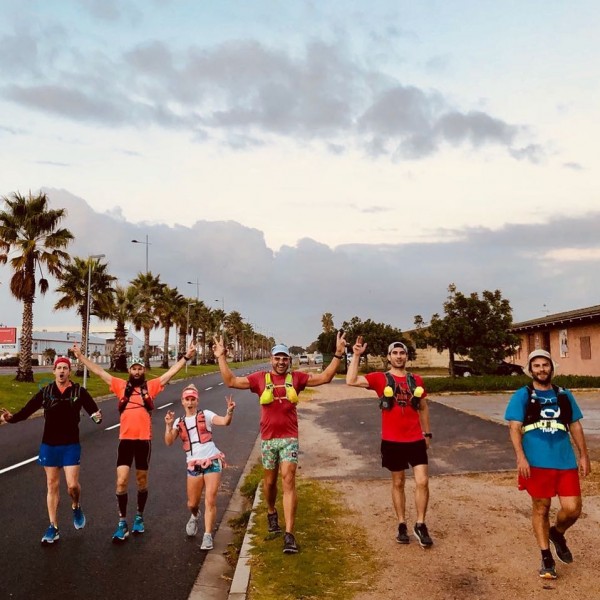
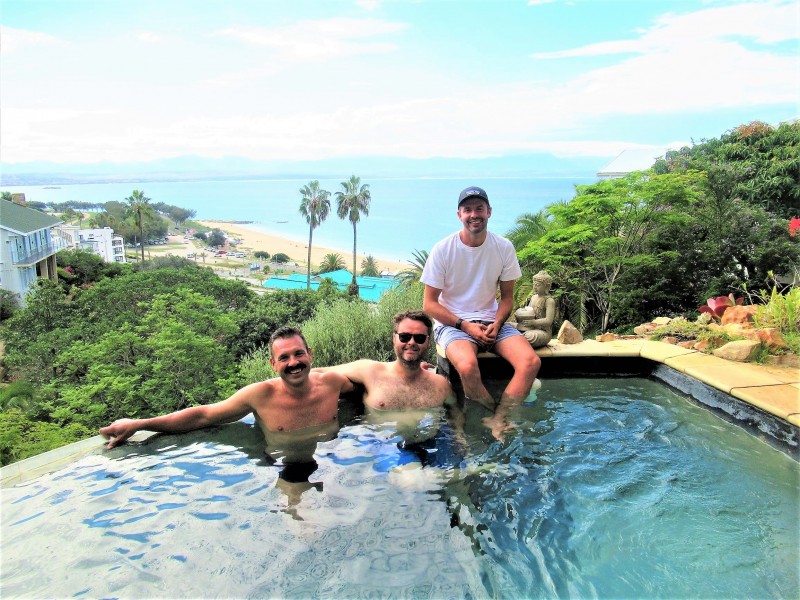
We were lucky to meet a relaxed Koot (left) and the movie-making team Robert Roworth (centre) and Morgan Cardiff from Australia on a blissfully sunny day in a guesthouse in Mossel Bay overlooking the bay. The Aussie filmmakers were scouting and capturing some location shots around Mossel Bay and all across South Africa and doing the legwork for the documentary feature film Tired But Strong - the journey to the world's oldest and largest ultra-marathon to be released on the international circuit next year.

WHY?

Koot, an architectural draughtsman at a local engineering company and a former Point High School pupil, only started running about six years ago when he quit smoking and was looking for a "healthier habit" than his 17 year-long tobacco addiction. "I never expected to run marathons, but soon got hooked and now I'm rather an adrenaline junkie."
Koot Steenkamp Comrades

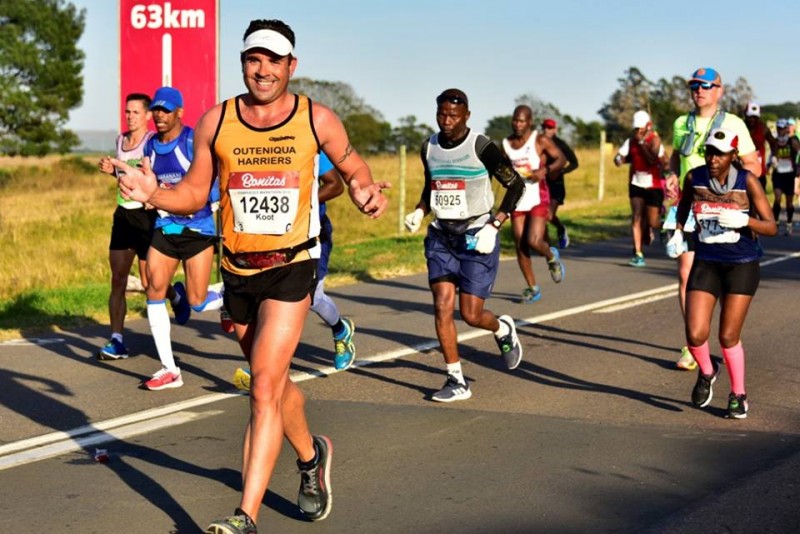
Koot Steenkamp in action during last year's Comrades. "Running can, and will change your life for the better - no matter who you are and where you start from. The toughest part is tying your shoelaces - the rest is easy." 

Koot also didn't foresee being part of a group of runners to embark on a gruelling 20-day marathon in aid of daycare centres for Aids orphans in South Africa that would inspire two gifted film directors/producers to make a movie . . . 

In May last year, through contacts and connections in the industry, he joined five other long-distance runners - four South Africans, one American and one Brit - on a 90 km per day run from Cape Town to Pietermaritzburg, culminating in the Comrades on the 20th day to complete their feat on a high note. The group members and film crew have met each other during previous running expeditions and via the marathon runners' network.

The four South Africans - Koot, Roger Cameron (38) and Mike Sewell (42) both from Johannesburg and well-known marathon runner Dave Chamberlain (41) from Pretoria, were joined by Carla Molinaro (34) from England and Alexander Tucker (34) from Connecticut in the USA.  
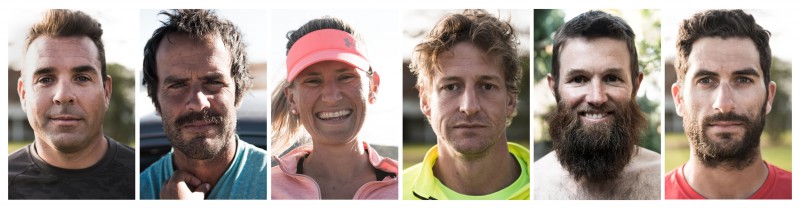
Tired but strong PortraitSeries

Photo: http://www.rhysmorganimages.com/tired-but-strong

This mammoth accomplishment, and the unique driving force, resilience and other-worldly experience of long-distance runners to literally see, taste and sample the fruit of the earth from a runner's perspective, were what inspired the movie.


"Running is the best and truest way to REALLY experience another country and culture objectively . . .  To push yourself beyond the human limits and to just carry on, no matter what . . . " 


"The movie is a motivation for all - about how resilience carries you through everything," enthuses Robert, an accomplished and versatile writer, director, actor & producer working with some of the most cutting-edge and talented individuals in the international entertainment industry. 

Says Morgan: "We were actually following Dave Chamberlain's 9-year-run-around-the-world since 2012. Dave has been running all over the world and was nicknamed the Penguin Runner after he ran the 2 700 km from Walvis Bay to Port Elizabeth to create awareness for the plight of the endangered African Penguin."

In October 2012, South African Dave Chamberlain set off from Walvis Bay, Namibia on a 2700km solo run for the African Penguin. 4 Months later, on a liquid-only diet and a pram as his only company, he arrived in Port Elizabeth, South Africa.

 http://www.namibiatourism.com.na/blog/The-Penguin-Runner

"We made a short film The Penguin Runner of that event and realised the inspirational and motivational value of these distance-runners and how their unique experiences of different countries, towns and cultures would make a wonderful movie. When Dave and the other five runners completed their "90 km per day over 20 days" last year, we decided to do a follow-up to see how they are fairing - from then to now. How did that 1 800 km epic run affect them mentally, emotionally and physically and what message is in there for the world?"
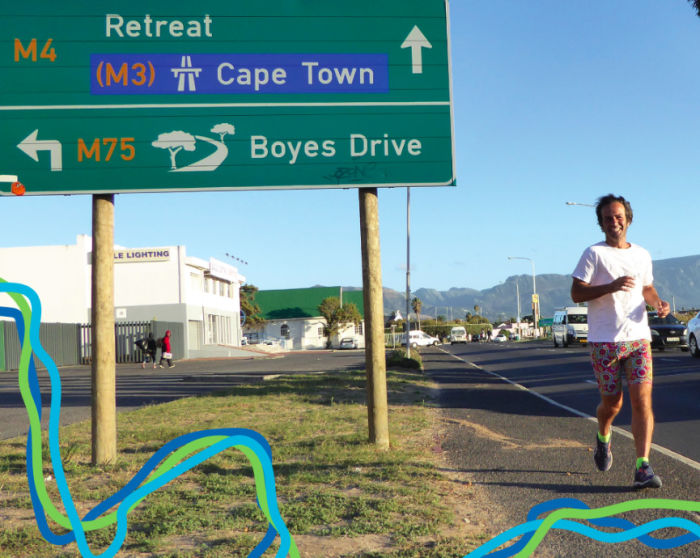
Dave Chamberlain

Photo: Dave Chamberlain is coping well and just completed 50 marathons in 50 days - ending with the 50th Two Oceans Marathon this weekend - to raise awareness for Birdlife South Africa. Photograph: Courtesy https://www.505050.org/

http://www.capetalk.co.za/articles/345225/capetonian-running-50-marathons-in-50-days-in-a-race-to-help-the-african-penguin

Both Robert and Morgan are adventurous outdoor lovers and seasoned travellers with an eye for a story and the knack to capture it vividly in print or on film.

They love the beauty and diversity of South Africa and the movie gave them a welcome excuse to visit the country frequently in the past year.

Where it all started: 

Morgan met Dave Chamberlain years ago on a tiny, remote Nicaraguan Island called Little Corn Island. He was soon fascinated by the unconventional scuba instructor from Pretoria who not only taught him to scuba dive and swim in shark-infested waters, but also captured his imagination with tales of his long-distance solo running expeditions across the USA and from Norway to North Italy in 3 months, pushing a 30 kg pram (stroller) loaded to the brim with all the necessities he would need - a tent (for the nights and hot days), water, spare shoes, two t-shirts, a pair of shorts and spare rubber.  

When Dave mentioned his plans to embark on a 2 700 km solo run from Walvis Bay in Namibia to Port Elizabeth to raise awareness for the African Penguin, the seed was planted . . . and two years later Morgan accompanied Dave for a month of his 4-month Penguin Run across the diverse and divine landscapes of Namibia and South Africa - capturing it afterwards in print and photos under the title The Penguin Runner - 2 700 km unsupported through the oldest desert on Earth.  
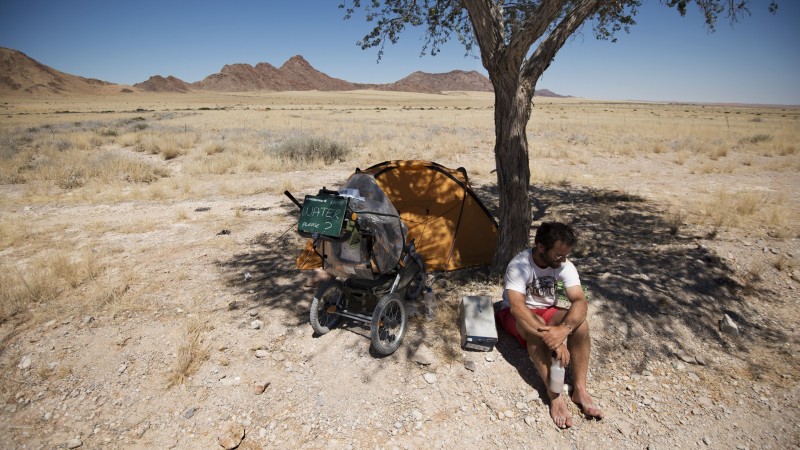
Dave Chamberlain Penguin Runner

A photo of Penguin Runner Dave Chamberlain resting under the only roadside tree for 50km, captured by Morgan Cardiff.

https://medium.com/rhys-morgan-field-stories/the-penguin-runner-70704ca7e7c3?

Now Robert and Morgan are back and forth in South Africa to finalise a unique movie about real life Forrest Gumps like Dave and Koot who are addicted to the euphoric, pleasurable pain of pushing beyond the limits to explore and experience new places and people in the most tangible way.

"Do people realise how far 90 km is when you run across varying landscapes? It is the distance from Mossel Bay to Oudtshoorn, but from Cape Town to Pietermaritzburg it is like crossing 9 different countries as the terrain, climate, culture and towns change . . .
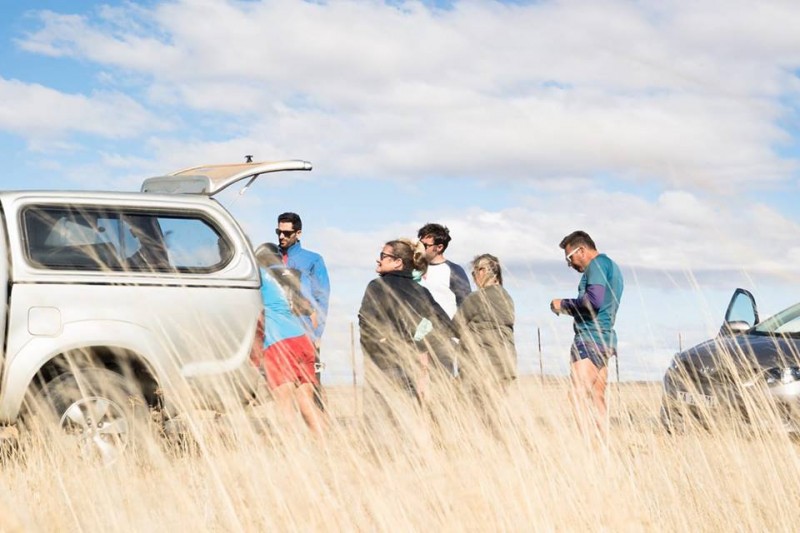
Koot Steenkamp Day 12

The six runners on Day 12. Koot kept a short running commentary on his FB page: " Day 12. Woke up this morning, once again, in a bed completely soaked in sweat. We have all had this phenomenon occur since day one of our adventure, to a greater or lesser degree. It seems that the body simply decides to launch a massive immune response due to the load of those first six days, continuously running 90km per day. Even with very little running during the last couple of days, the fever like symptoms still remain.

All six of us were keen and happy to log some more miles today, and saw us jog into the seemingly never-ending expanse of road and grassland outside Tarkastad.
It felt good to be back on my feet and running again, and with fresh leg speed, the kilometres seem to fly by at first.
Ten km into the day I realised that my ankle was obviously not ready to run, and by 15km the pain became excruciating... muscle and tendon tearing and bone splintering off at each step. Well, that was a good tapering run, I thought to myself as I pulled up to our seconding vehicle at 21km, realising that any more running would be counterproductive if I'm even going to contemplate lining up at the start of the ultimate human race in a week's time.
Moments like these are always so humbling, and takes so much discipline...

Alex came in at 20km basically in the same sorry state as me. Dave, having found his groove, and his seemingly only t-shirt now showing proper signs of not seeing a wash for more than a week, kept going after a quick bite and chirp regarding said t-shirt being perfectly good for many more days.
Roger is still clocking too, Carla and Mike in pursuit, and all in good spirits despite looking like Christmas trees due to all the Kinesio tape.

Another short glimpse into the lives of a couple of humans slowly making their way across the face of a planet, circling an unspectacular medium-sized star, in a fairly small solar system, in our favourite galaxy, the Milkyway.

Strange the importance we continually attach to our lives and ventures, only to realise, when stepping back, that it's temporary. All of it.
That very fact, may seem defeatist or depressing, but for me, it serves the opposite purpose; it emphasizes the importance of embracing each moment, cherishing the life we are privileged to experience.

Here comes Dave... let me go join him... even if just for 10km more. Life. Happiness. It's yours to create.
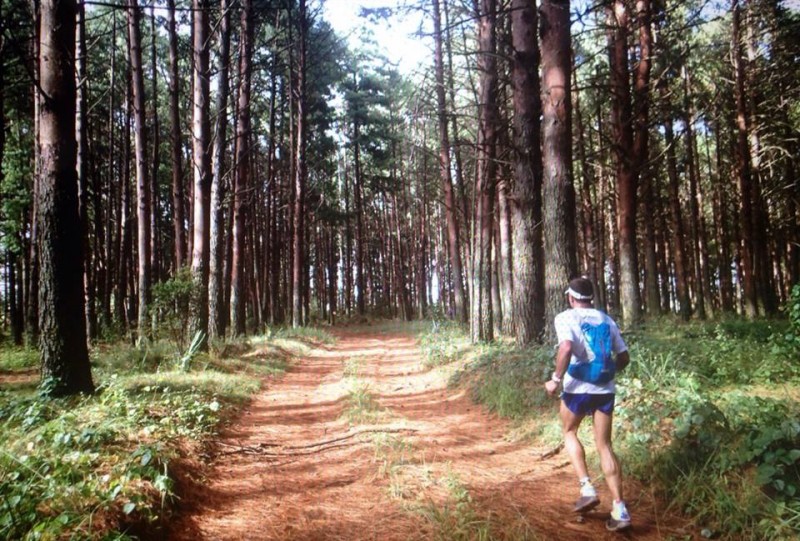
Koot Steenkamp in veld

Says Robert: "The running community seems to be connected through this unspoken language . . . they understand the pushing to the limits. You have the in-between moments when you are in awe of the vista, but 30 seconds later you have to focus again on your breathing techniques or ways to conquer the pain . . . 

"It is an addictive, euphoric, pleasurable pain . . . if you stand still, tired wins," Robert said. 


"Running is not only to get from point A to point B - it is about becoming one with, and absorbing the various places and people with all your senses . . . the unique landscapes, sounds, smells, tastes, colours and cultures that only running enables you to experience.  

"That is what the movie is about . . .  getting up and pushing through, because if you stand still, tired wins . .

Why sit on the sideline of life if you can be part of it?"

What about the crime and political instability in South Africa?

"South Africans are unusually unique people. They are most friendly, interesting and engaging. For a country that suffered division for so long and where the wounds are still healing, I found them to be some of the most inclusive and unified people I have ever seen when supporting fellow countrymen.

"Besides, South Africa has the two best marathons in the world . . . the Comrades is THE ultimate human race and the Two Oceans is the most scenic and beautiful race in the world! "


Koots' daily commentary seems to echo Robert's sentiments . . . this is what he wrote on Day 13 of their 20-day run: 
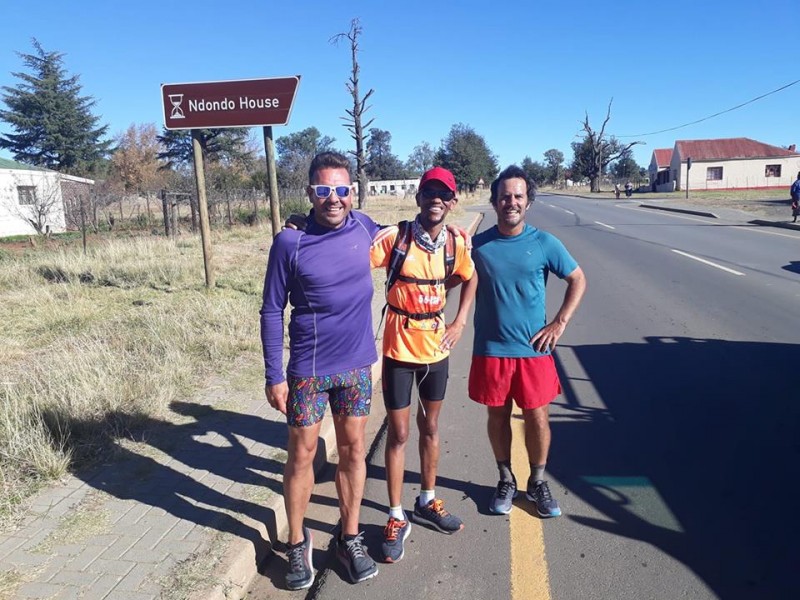
Koot Steenkamp en Dave

Day 13.: Had a wonderfully relaxing end to our day yesterday, spending a precious hour or two around a fire with the crew and supporters Adèle Croucamp, who drove all the way from Potchefstroom, and Graeme Holmes, the man behind The Grahamstown Project. Such acts of support and kindness goes a long way in keeping our spirit up at this stage, where the days on the long road to Comrades are indeed long. Thank you to all who have been urging us on, following our tediously slow journey to Durban. I assure you, no word or like goes unnoticed.

We started the day with the fresh 0 degree Celsius morning chill blowing softly through the landscapes of the old Transkei. The vernacular now having changed from farmland to rural settlements scattered far and wide along the valleys and mountainous foothills. Fresh brooks lazily winding their way through the grassland and green backdrop of acacia veld. Sunday morning sleepiness seeing the lone herdsman tends his flock of sheep or driving a herd of cattle to greener pastures.

As I ran along these roads, connecting communities and people, with little concrete bus stops every 3km along, daintily decorated with amateur art, urging the user to forego drinking or doing drugs, I could hardly help but reflect on how big a part community plays in one's own happiness and wellbeing. Here, life seems to be all about the community. Neighbours. Helping each other and being dependent on each other. These little huts and houses, each with its families and circles of trust, connected by necessity. We can all learn from this, especially in an age where social media seems to create islands of separation, despite the promise of connecting people.

My left ankle is healing up slowly. Too slow of course, for my liking, but enough to allow me to run. An essential part of my day and life. I try and get as much out of it as I can without causing further or permanent damage. Yesterday that was 30km... today, 40km. As I go along, thinking; maybe just try and hit 50km, I remind myself how personal one's goals are, and how personal this journey has become for each of us. At the end of the day, nobody really cares how much or how far or how fast someone else ran, or what they achieved... it is only you. Your ego. 
How much do we sacrifice of our lives, be it time, or health, to oblige perceived expectations? Maybe I should remind myself more often that life is a personal journey. Take the pressure off. Live your life and enjoy who you are. It's yours and yours only.

Roger had a bad day out with shins playing up again, but the team are slowly getting their mojo back after a week of being plagued by injury. Alex managed 44km while nursing his ails, while Mike and Carla stuck together to log 60km. Dave, now reserving his t-shirt for night use only, will come in at 75km for the day.

I'm super proud of every one of this team, seconding crew Natalie Mac Lean and Denise Sewell looking after us every step of the way. The camera crew's friendly smiles and chirps brightening up even the gloomiest moments.
My little community. Our dependence. It goes to show; we can all reach out and connect, enriching not only our own, but each other's lives.

How are Koot and the others fairing a year after their 20-day marathon?

One or two of the runners are still recovering from some injuries and other mishaps, but Koot and Dave were back on top form at Saturday's Two Oceans marathon where they ran into Morgan and Robert capturing the event as part of the Tired But Strong movie in the making . . . . 

More about the movie directors/producers: 
Morgan Cardiff

Morgan Cardiff is a freelance director/ producer at Rhys Morgan Images as well as a senior environmental scientist at WSP in Australia and New Zealand. He was also the director, producer, photographer and editor for the short film The Penguin Runner about the well-known SA marathon runner Dave Chamberlain.  

http://www.rhysmorganimages.com/

Robert Roworth is a Sydney | New York-based writer, director, actor & producer. Dubbed "the filmmaker's director, he is first and foremost a creative which enables him to realise both the writer and director’s dream . . . whether it be an 1850’s period drama or an international political spy thriller, Robert is able to exhibit a strong, artistic sensibility into every production. These qualities honed from his years as an actor on the Stage. 
 
 Robert Roworth

 https://www.johnnypictures.com/robert-roworth

Read more here: https://www.tiredbutstrongfilm.com/

More news and photos on our Facebook page: 

https://web.facebook.com/mosselbayontheline/posts/2384710155093571?


Paasnaweek het relatief rustig in lekker weer in die Mosselbaai-omgewing afgeloop in skrille kontras met die nege plaasaanvalle, geweldsmisdaad en hoë padsterftesyfer in die res van die land.

Vandag se welkome reënweer maak die oppak ná die Paasnaweek dalk makliker, maar die paaie en terugtog huis toe aansienlik gevaarliker en Paasgangers word gemaan om versigtig te ry en verkeersopeenhopings weens die nat paaie te verwag.

* Die pragtige volmaan oor Paasnaweek het fotograwe aangespoor tot dié pragfoto's hieronder, maar die gepaardgaande springgety en rowwe seetoestande het ook tot verskeie verdrinkings langs die SA kuslyn aanleiding gegee. By Diasstrand het 'n man verdrink nadat hy vermoedelik 'n hartaanval gehad het.

* Die Mosselbaai-omgewing se pragtige natuurskoon bly maar 'n lus vir die oog en om binne raakafstand van 'n skool dolfyne te swem, is 'n hoendervel-belewenis. Albie Spies het 'n reeks foto's van dolfyne in Boggomsbaai geneem wat letterlik tussen die swemmers baljaar het.

* 'n Klomp varswatervissies wat by die Hartenbosrivier uitgespoel het nadat die monding oopgemaak is, het inwoners opnuut bekommerd en omgekrap oor die swak toestand van die rivier en die impak van die klomp verwerkte riool- en gesuiwerde varswater vol chemikalieë wat daagliks vanaf die watersuiweringswerke in die rivier gepomp word en die chemiese balans van die water versteur. (Meer onder foto's)

* Run Forrest RUN! 'n Mosselbaaier wat saam met vyf ander langsfstandatlete 20 marathons in 20 dae vanaf Kaapstad tot in Pietermaritzburg afgelê het, het gesorg dat Mosselbaai ook prominente blootstelling kry in 'n internasionale film Tired But Strong wat na verwagting vroeg aanstaande jaar uitgereik word. Koot Steenkamp (43) het deur sy hardlopery skouers begin skuur met bekende atlete soos die Penguin Runner Dave Chamberlain van Pretoria en ander. Twee Australiese filmmakers is só aangegryp deur die Suid-Afrikaners se passie en uithouvermoë op die langpad, asook die land se skoonheid, dat 'n vollengte fliek wat ook die Comrades en Two Oceans insluit, nou oral in Suid-Afrika - en Mosselbaai - geskiet word. (Lees meer onder foto's).

* Terwyl 'n skokverslag deur Ratings Afrika toon dat munisipaliteite landwyd op 'n afgrond afstuur en Mosselbaai munisipaliteit vanjaar die top-plek vir finansiële stabiliteit op dié indeks verloor het, is nuwe onderhandelinge wéér aan die gang gesit oor 'n moontlike samesmelting met George munisipaliteit om 'n metro te vorm. Inwoners is opnuut bekommerd dat Mosselbaaiers sal moet opdok vir George se skuldlas terwyl hulle reeds in hewige opstand is oor die voorgestelde tariefverhogings en 15% styging in eiendomsbelasting volgens die konsep-begroting vir die 2019/20 boekjaar. (Lees meer onder foto's)

* Twee hartseer selfdood-gesinstragedies kort voor die Paasnaweek waarin twee pensioenarisse eers hul vroue en daarna hulself met 'n haelgeweer doodgeskiet het, het die land geruk en opnuut vrae laat ontstaan oor watter impak die misdaad, geweld en swak ekonomie in die land op die psige van inwoners het.

Trevor (67) en Elma (52) Davis is verlede Sondag dood in hul huis in Mosselbaai aangetref nadat Trevor eers vir Elma en daarna homself met 'n haelgeweer geskiet het. In Brackenfell het 'n soortgelyke tragedie homself Woensdagoggend afgespeel toe Izak Niewoudt (62) eers sy vrou Gertruida (ook 62) en daarna homself met sy haelgeweer doodgeskiet het. Hul gebroke seun (ook Izak) het op hul lewelose liggame afgekom en sukkel om sin daarvan te maak omdat sy ouers gelukkig getroud was en almal uitgesien het om saam die Paasnaweek op Langebaan aan die Weskus deur te bring.

'n Leser se eerlike mening oor dié gesinstragedies waarby "oënskynlik gelukkige" pensioenaris-egpare betrokke is, gee 'n indringende kykie in die werklikheid:

* Leser skryf:
"Sterkte Izak en ook aan jou susters. Ek wil jou net gerusstel. Dit is niks wat iemand verkeerd gedoen het nie.

Ek dink dis die tekens van die tyd. Ek en my man is ook jou ouers se ouderdom en ons is ook afgetree. Meeste van
ons kinders is oorsee en ons gun hulle die vrede en beter toekoms wat hulle in ander lande kan geniet.

Die lewe hier het baie duur geword en die oumense sukkel om te oorleef. Ek en my man het hard gewerk en al ons kinders deur Universiteit gekry sonder beurse en dinge. Ons het ook albei ons werke verloor en moes elke keer van vooraf begin. 
Ons blameer niemand nie, life happens, maar omdat daar sekere goed gebeur het is jou finansies in die knyp hier op jou oudag, want jy moes jou pensioen elke keer inboet om kop bo water te hou. 
Die pensioen van jou laaste werkgewer is te klein. Die staat voorsien jou van 'n pensioen, maar dis moeilik om daarmee te oorleef. Jy moet bly afskaal. Jy begin by jou medies, dan jou polisse, dan assuransie en dan jou lewens
standaard. As jou kar breek dan kan jy dit nie regmaak nie en so gaan dit aan.

Jy voel in almal se pad en dan eendag kry jy dit nie meer reg om die masker aan te sit nie. Ek sê nie dit is wat in hierdie mense se geval gebeur het nie en ek veralgemeen nie, so moenie my kruisig nie, maar glo my ek het ook al so gevoel.

Miskien was hulle tydsberekening net uit en moes hulle vir oulaas saam met die kinders gaan vakansie hou het."


Related Articles:
Déjà Vu - a feeling of having already experienced the present situation.

More than a year expired since Mossel Bay municipal manager Thys Giliomee was given the green light to enter negotiations with George municipality regarding the appointment of a consultant to investigate the pros and cons of forming a metropolitan municipality. 

All residents' concerns, enquiries and questions regarding the progress of these talks - and especially the impact and consequences of such a merger on taxpaying residents and property owners  -  were ever since flatly ignored. Mosselbayontheline was even removed from the municipality's media list for daring to publish pertinent questions and readers' letters that went unanswered in this regard. 

Now, when the country's municipal sector is at an all-time low and facing total collapse with only 49 of the 250 municipalities having managed to score a clean audit, the same process is starting all over again - only this time the ball is apparently in George municipality's court to initiate the metro negotiations.

Thys Giliomee1

Mossel Bay municipal manager Thys Giliomee

But the public's questions and fears have since escalated dramatically seeing that neither Mossel Bay nor George achieved a clean audit last year, and Mossel Bay taxpayers are already up in arms over the hefty tariff and tax increases in the proposed 2019/2020 budget.

Although Mossel Bay was rated the top performing municipality in the country in the Good Governance Africa (GGA)-index, it lost its top rating for financial stability in the latest Ratings Afrika-index.


oudit

End of an era? In February last year after scoring the sixth consecutive clean audit in 2017, are from left deputy mayor Dirk Kotzé, councillor Mark Furness, mayor Harry Levendal, finance chief Kobus Bruwer and municipal manager Thys Giliomee.

Furthermore, a very bleak overall picture for the country's municipalities is portrayed in Ratings Afrika’s latest Municipal Financial Sustainability Index (MFSI) for 2018 in which municipalities are rated out of 100 based on operating performance, liabilities management, budget practises and liquidity. 

The national average slipped below 40 to 38 for the first time since the index was calculated in 2012. Of the top 100 municipalities, 56 scored less than 35. * More at the bottom.

 * Mossel Bay residents fear they will have to foot the bill for the bankrupt George municipality's debt - especially after the Hawks' raid at George municipality on 23 April last year and subsequent threats to place George municipality under administration. 

http://www.mosselbayontheline.co.za/index.php/samesmelting-met-george-om-n-metropool-te-vorm-hoekom-die-stilswye?

 http://www.mosselbayontheline.co.za/index.php/geheimhouding-oor-metropool-duur-voort?f


BABY STEPS TO FORMING A METRO

George Herald - Wednesday, 17 April 2019

George and Mossel Bay municipalities are investigating the possibility of becoming a metropolitan municipality. The rapid expansion of both towns is given as one of the main reasons why forming a metro might be a good idea.

A resolution taken in the George council on 3 April gave the municipal manager, Trevor Botha, the go-ahead to enter discussions with Mossel Bay Municipality.

He may also enter an agreement concerning the supply chain management process needed for the appointment of a consultant. "These discussions will then lead to clearly defined roles and responsibilities and clarity regarding the costs of appointing such a consultant," said Botha.

Trevor Botha

George Municipal Manager Trevor Botha Photo: Michelle Pienaar

Mossel Bay requested that the two municipalities split the cost. Should George and Mossel Bay become a metro, residents will pay less for service delivery.

Botha says the establishment of a metro will undoubtedly derive economic benefits to government as it "exploits economies of scale" which will result in a reduction of costs of service delivery due to, amongst others, centralisation and integration of systems.

Financial and administrative resources will be shared and distributed within the metropolitan area to ensure equity and social justice. Strategic land-use planning will be promoted. A city-wide framework for economic and social development will be developed, thereby enhancing the competitiveness and well-being of the city."

Mossel Bay Municipality tabled an item before their council on 22 February last year to appoint a suitably qualified and experienced consultant to undertake such an investigation.

(https://www.georgeherald.com/News/Article/General/baby-steps-to-forming-a-metro-201904170952?f

Municipal sector faces collapse – Ratings Afrika

Less than a quarter of the 100 top municipalities reported a profit in 2018.

Unless corrective action is taken, a crisis is inevitable. And when service delivery is poor, violence is never far behind. Political leaders need to look at the interests of residents and businesses rather than their own, says the agency. They need to root out corruption, appoint managers with the right skills and experience, and apply sound budgetary practices and strict financial discipline.

Very little of this is in evidence in the latest MFSI. “The current political leadership in control of the majority of municipalities has demonstrated over the last five years and more to not being capable of sound governance,” says Ratings Afrika. “This is the main cause of the deteriorating financial sustainability of the municipal sector in SA.”

Of the seven metros analysed by Ratings Afrika, Cape Town came out tops for financial sustainability. Joburg came last.

Both are DA-run, so gloating rights ahead of the national elections are severely curtailed.

Tshwane, too, looks like it needs a financial reboot with a working capital deficit of R3.2 billion. It’s also DA-run, but is starting to show signs of improvement, reporting a R336 million operating surplus in 2018.

Joburg reported a deficit of R250 million in 2018 and has suffered a deterioration in its MFSI score from 43 to 29 over the last five years.

Ratings Afrika analyst Leon Claassen says it is difficult to draw political inferences from these scores, since many municipalities and metros are grappling with long-standing legacy and debt issues. However, it is well known that the governing party in each jurisdiction stacks management with political appointees.

Drop in electricity sales for Joburg

An analysis of Joburg’s revenue shows electricity sales dropping nearly R900 million to R13.5 billion – a decline of roughly 6%. Part of this would have been the result of electricity outages, but some of this is also certainly due to users switching to alternative energy sources. Non-payment is adversely affecting the working capital position of Johannesburg, which was R3 billion negative (shortfall) as at June 2018. Eskom’s annual report for the last year shows an arrears bill of nearly R17 billion in Soweto alone – this amount is not included in Johannesburg’s financial results.

Presenting the latest MFSI for 2018 on Tuesday, Claassen points out that only 23 of the top 100 municipalities in SA reported operating profits last year. The remaining 77 made combined operating losses of R13.3 billion and recorded a combined working capital shortfall of R23 billion. This means they have run out of cash and have stopped or delayed paying creditors.

Ratings Afrika’s MFSI uses a model that scores municipalities out of 100 based on operating performance, liabilities management, budget practices and liquidity.

Overall, the picture for municipalities is bleak and getting worse. The national average slipped below 40 to 38 for the first time since the index was calculated in 2012. Of the top 100 municipalities, 56 scored less than 35. Worst of the lot was Modimolle, formerly Nylstroom in Limpopo, which scored just 2 out of 100. It has virtually ceased to function and service delivery is almost non-existent – a recipe for protest and violence.

Redemption

Best of the lot is Swartland in the Western Cape with a score of 86. And herein lies a tale of redemption. When the index was first published in 2012, Swartland scored in the low 50s. After huffing and puffing about the low score, municipal managers asked what they should do to improve performance. “It came down to making basic financial corrections, such as reining in expenses, no new hires, improving revenue collection and implementing proper budgeting,” says Claassen.

Another municipality on the mend is Midvaal in Gauteng, whose score has improved from 53 to 72 over the last five years. It has consistently won clean audits from the Auditor General. In 2013 the ANC attempted to merge the DA-run Midvaal with the disastrous ANC-run Emfuleni in what was seen as a cynical attempt to capture the province’s best-run municipality. The attempted merger was defeated in the North Gauteng High Court in 2015.

Moving in the opposite direction is Msunduzi in KwaZulu-Natal, which was once rated among the best-managed municipalities in the country. All that has gone as new management took over, squandered the reserves, and let revenue and arrears collections go to the dogs.

The political question

How much does politics play in the management of municipalities?

Ratings Afrika director Charl Kocks relates the story of one metro that soft-peddled on arrears collections so as not to lose votes ahead of an election. The obvious solution seems to be to get professional managers in to run the municipalities, rather than using them as playthings for dispensing political favours.

The main revenue source for metros and municipalities is electricity sales, followed by water charges, refuse and sewage charges, and property tax.

“Given that the financial sustainability of key local municipalities in SA is weak, our expectation is that the quality of service delivery is likely to deteriorate over the short to medium term,” says Ratings Afrika. “Weak service delivery impacts quality of living as well as the economic growth and development that are desperately needed to reduce unemployment in the country.”

What differentiates the high-scoring municipalities from the weak are skills, experience, financial discipline and quality of management backed by sound governance.

https://www.moneyweb.co.za/news/south-africa/municipal-sector-faces-collapse-ratings-afrika/?fbclid=IwAR2kulCd_XLZWbFE6668QIMIgljXT9xq_dt3JPn_KD6zrUb8q43yl4BNYcg&via=Moneyweb"
 
Related articles:


Related Articles:

Mosselbaai Munisipaliteit is amptelik as die beste munisipaliteit op grond van lewenskwaliteit vir inwoners in die land aangewys in die jaarlikse Good Governance Africa (GGZ)-indeks vir 2019, terwyl Swartland wéér bo-aan Ratings Afrika se lys is vir finansiële stabiliteit. 

Volgens die GGZ-indeks is 12 van die beste provinsiale munisipaliteite in die land in die Wes-Kaap, terwyl die meerderheid van die swakste munisipaliteite in KwaZulu-Natal is.

Tweede is Senqu in die Lady Grey-omgewing in die Oos-Kaap, en derde is die Swartland-munisipaliteit, wat Malmesbury insluit, wat verlede jaar saam met Mosselbaai deur Ratings Afrika as die mees volhoubare munisipaliteit vir 2017 in die land aangewys is. 

  • Volgens die jongste Ratings Afrika-indeks oor munisipaliteite se finansiële stabiliteit is Swartland Munisipaliteit egter vanjaar wéér (alleen) bo-aan die lys met 86 punte, gevolg deur Senqu Munisipaliteit met 85 punte. Ratings Afrika se Munisipale Finansiële Stabiliteit-indeks assesseer hoe die land se munisipaliteite hul geld bestuur en watter invloed dit op dienslewering het. Die groep definieer finansiële stabiliteit as die vermoë tot dienslewering en die ontwikkeling en handhawing van infrastruktuur volgens inwoners se behoefte sonder onbeplande tarief- en belastingverhogings en 'n afname in die gehalte van dienslewering.
  • Mosselbaai Munisipaliteit het waarskynlik dié top-posisie in die jongste Ratings Afrika-indeks verloor nadat hy verlede jaar die eerste keer sy skoon oudit verloor het nadat hy ses jaar agtereenvolgens met 'n skoon oudit kon spog. Die nuwe voorgestelde begroting vir die 2019/20 finansiële boekjaar sluit ook drastiese verhogings vir eiendomsbelasting (15%), Vullisverwydering (15%) en Elektrisiteit 12,9 %) in. (Ratings Afrika-indeks onderaan). 

Good Governance Africa is 'n nuwe evalueringsindeks wat onlangs eers begin het om die welstand van munisipaliteite en hul inwoners op grond van verskillende kategorieë te bepaal. "The 2019 Government Performance Index is a continuation of GGA’s local government research, which began in 2016. This year, we were able to compare the state of South Africa’s municipalities with our previous index and have found a significant variation in the municipal landscape, and some shifts within the rankings." https://gga.org/programmes/#local_governance

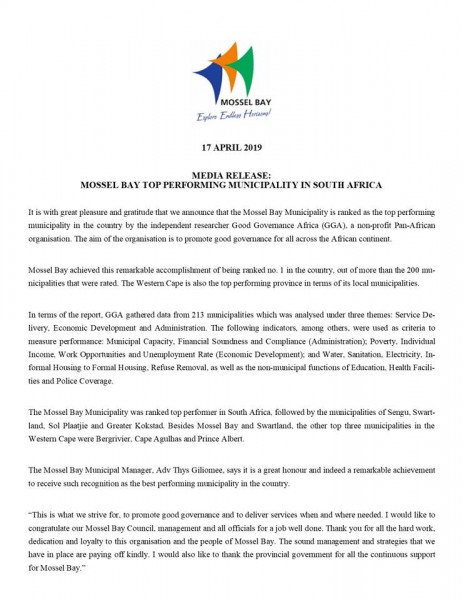
Die Mosselbaai Munisipaliteit het die volgende verklaring uitgereik ná die bekendmaking van die GGZ-indeks.

Munisipale bestuurder Thys Giliomee het die raadslede, bestuur en alle amptenare geluk gewens en bedank vir hul harde werk, toewyding en lojaliteit aan die munisipaliteit en die mense van Mosselbaai. 

Mun beste in land

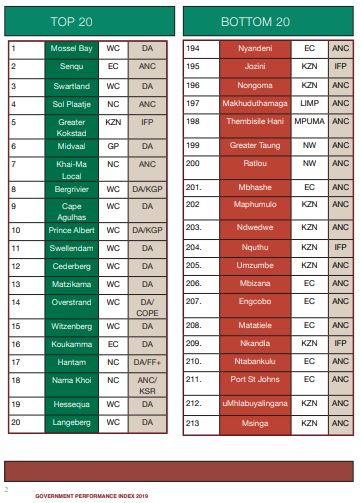
Wes-Kaapse munisipaliteite oorheers die lys van die top 20-munisipaliteite. 

Die res van die top 20-munisipaliteite is: 

4. Sol Plaatje - Noord-Kaap);

5. Groter Kokstad - KwaZulu-Natal);
6. Midvaal - Gauteng);
7. Khai-Ma - Noord-Kaap);
8. Bergrivier - Wes-Kaap);
9. Kaap Agulhas - Wes-Kaap);
10. Prins Albert - Wes-Kaap);
11. Swellendam - Wes-Kaap);
12. Cederberg - Wes-Kaap);
13. Matzikama - Wes-Kaap);
14. Overstrand - Wes-Kaap);
15. Witzenberg - Wes-Kaap);
16. Koukamma - Oos-Kaap);
17. Hantam - Wes-Kaap);
18. Nama Khoi - Noord-Kaap);
19. Hessequa - Wes-Kaap); en
20. Langeberg - Wes-Kaap).


Indeks


Dr. Ivan Meyer, LUR vir finansies, het gesê die verslag bevestig die goeie finansiële vertoning van munisipaliteite in die Wes-Kaap en wys die band tussen goeie finansiële bestuur en ’n munisipaliteit se vermoë om gehaltediens aan inwoners te lewer. 

Die GGA neem drie faktore in - die gehalte van die administrasie, ekonomiese ontwikkeling en dienslewering.

Inligting wat deur GGA gebruik word, sluit in data van Statistieke Suid-Afrika, verslae van die ouditeurgeneraal, inligting wat die munisipaliteite self verskaf en verslae van die nasionale tesourie.

Van die agt metrorade het die Kaapstadse metro die beste gevaar. Dit is 43ste op die ranglys van al die munisipaliteite. Die ander metrorade het as volg gevaar: Buffalostad (60); Nelson Mandelabaai (61); Ekurhuleni (69); Johannesburg (70); eThekwini (71); Tshwane (90) en Mangaung (91).

Die drie swakste munisipaliteite is Msinga (ANC, KwaZulu-Natal) in die eerste plek, gevolg deur uMhlabuyalingana (ANC, KwaZulu-Natal) en Port St. Johns (ANC, Oos-Kaap).

Lees ook: 

http://www.mosselbayontheline.co.za/index.php/mossel-bay-most-sustainable-municipality-in-the-country

Ratings Afrika het Swartland Munisipaliteit vanjaar egter weer bo-aan die lys vir beste finansiële bestuur, gevolg deur Senqu (Lady Grey): 

These are the best and worst run municipalities in South Africa

18 April 2019

Two new independent reports have been published which assess the financial stability, and governance of South Africa’s municipalities.

The Municipal Financial Stability Index published by Ratings Afrika, assesses how the country’s municipalities manage their money, and how this impacts service delivery in those areas.

The group defines financial stability as the ability to deliver services, develop and maintain the infrastructure required by its residents without unplanned increases in rates and taxes or a reduction in the level of services.

It also means a municipality is able to absorb financial shocks caused by external factors, without needing financial assistance from third parties.

To determine the top and bottom performers in this index, Ratings Afrika assessed the financial statements of municipalities to June 2018, as reported to National Treasury.

Worryingly, the 2018 index found that most of the municipalities in South Africa are in financial distress, lacking proper budget planning and not exercising adequate fiscal discipline, with expenses exceeding income and resulting in losses.

“Only 23 municipalities from the sample of 100 have reported operating surpluses, with the remaining 77 reporting operating deficits,” Ratings Afrika said.

“The combined profits of those with a surplus amount to only R1.4 billion, whereas the combined losses amount to R13.3 billion.”

Further, the combined working capital shortfall for the sample was R23 billion – making it almost impossible for these municipalities to provide any services, it said.

“This might lead to a total breakdown in service delivery, with catastrophic consequences for residents and businesses, which in turn could encourage political unrest.”

Looking at specific areas, the weakest provinces are Free State and North West, with average scores of 17 and 24 respectively. The majority of the municipalities in these provinces are in serious financial trouble, the group said.

The Western Cape, with an average of 63, is the highest scoring province and it is also the province that has improved the most over the last five years, from 52 in 2014 to 63 in 2018. Western Cape is the only province whose governance practices are considered to be sound.

The tables below show the best and worst municipalities in each province:


 Best and worst-run municipalities

A second report, Government Performance Index for 2019, comes from think-tank Good Governance Africa (GGA).

GGA’s index ranks 213 local municipalities from best to worst based on how they deliver across three main indicators: quality of administration, economic development, and service delivery.

In the group’s analysis it looked at whether a municipality has enough skilled personnel to manage the running of the area, and how it delivers on services like providing water, sanitation, education, electricity, housing, waste removal, healthcare and policing.

Financial management and reporting is also analysed.

According to the GGA index, Mossel Bay municipality is the best-run municipality in the country, followed by the Senqu municipality in the Eastern Cape.

Of the top 20 municipalities, 12 are in the Western Cape, and 11 are run by the Democratic Alliance, with four others being DA/other party coalitions.

On the opposite end of the scales, Msinga municipality in KwaZulu Natal was ranked as the worst-run in the country, below uMhlabuyalingana in the same province.

Among the bottom 20 municipalities, nine are found in KwaZulu Natal, and seven are in the Eastern Cape. Most are ANC-led, with the IFP running four of them.

According to Ratings Afrika, the South African municipal sector is currently facing collapse – and correction will require decisive political leadership that looks after the interests of the residents including that of the business community.

While not mentioning the ANC by name, the group said that the current political leadership in control of the majority of municipalities has demonstrated over the last five years and more to not being capable of sound governance.

“This is the main cause of the deteriorating financial sustainability of the municipal sector in South Africa,” it said.

It suggested that leaders stop looking after their own interests, root out corruption, appoint managers with the right skills and experience to implement sound budgetary practices, and exercise strict financial discipline.

Also read:http://www.mosselbayontheline.co.za/index.php/residents-urged-to-boycott-property-taxes


Related Articles:

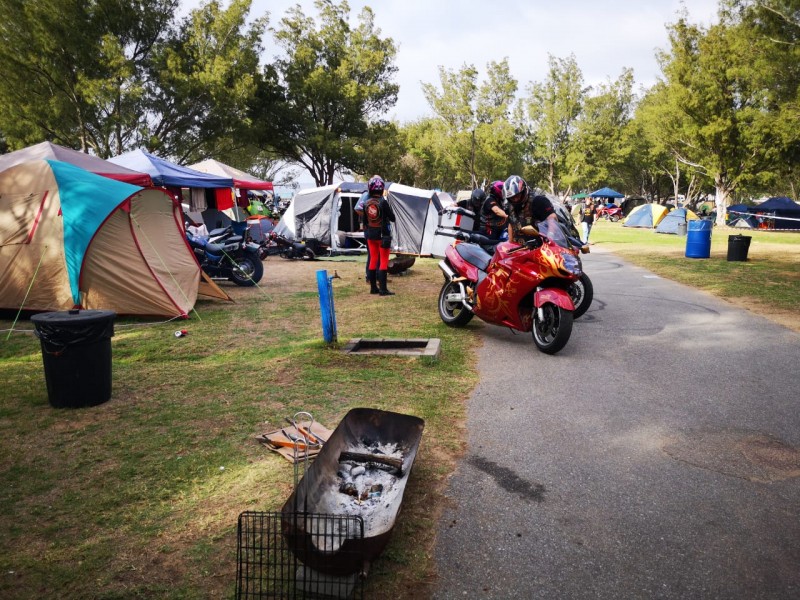
Die ATKV-kampeerterrein in Hartenbos het sy vuurdoop om 4 300 vurige Buffalo Rally-ryers te huisves, blykbaar met vlieënde vaandels geslaag . . . en die Buffers is gek oor die plek!  

Dit was die naweek die 14de agtereenvolgende jaar wat die gewilde Buffalo Rally in Mosselbaai plaasgevind het, maar die eerste keer dat die Buffers op Hartenbos tuisgaan sedert die Santos/De Bakke-kampeerterrein onder private bestuur is en nie meer die ryers kan huisves nie

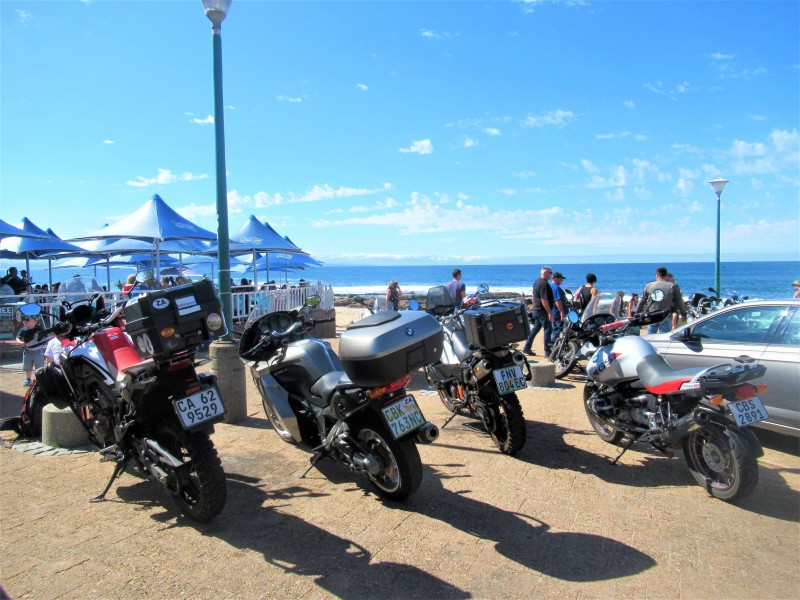
Die aanvanklike kommer en besware het Saterdag egter letterlik soos die vorige aand se mis en reënwolke voor die son verdwyn toe die ysterperdryers eers hul voete gevind en die omgewing verken het.  Die weer het boonop saamgespeel en die duisende baaikers van regoor die land met tipiese Mosselbaaise son, see en saffier begroet . . . 

Buff2019 Advertiser

Die Buffalo-ryers het gou hul voete gevind in die ATKV-kampeerterrein op Hartenbos. Foto: MB Advertiser. 

"Ons was aanvanklik vies en baie teleurgesteld dat ons nie meer in De Bakke sou tuisgaan nie omdat ons die plek al so goed leer ken het, maar ná die eerste dag se rondvallery om ons "bearings" by die nuwe kampplek te kry, verkies baie van ons eintlik die Hartenbos-terrein omdat alles daar bymekaar is en loopafstand is van winkels en ander geriewe," het 'n groep Kaapse Buffers gesê. 

buff2019 Hein Boshoff

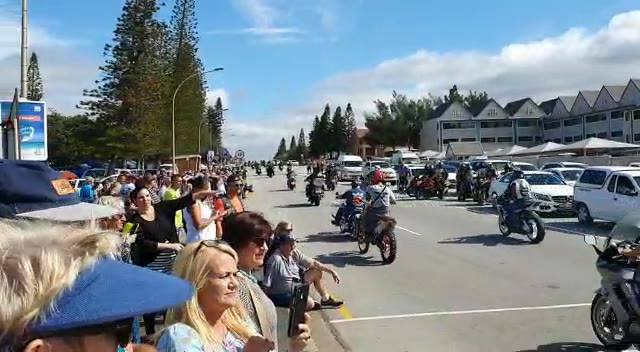
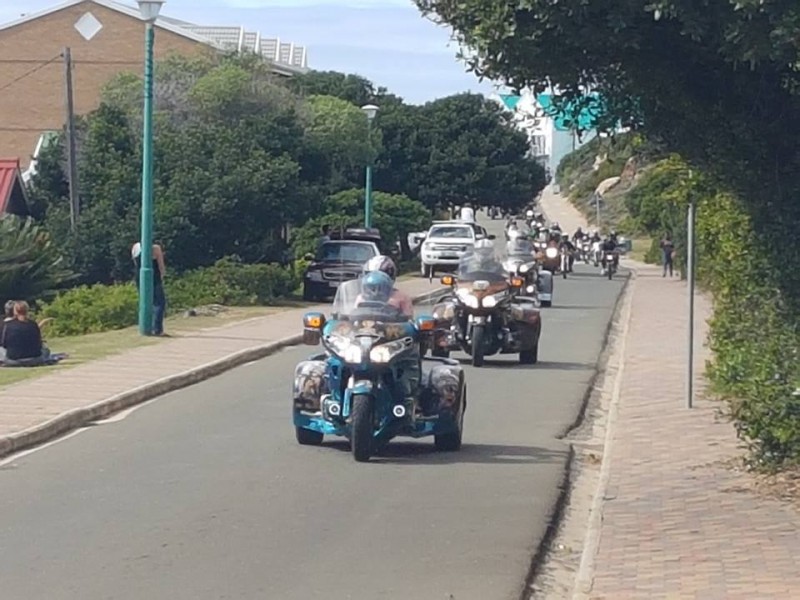
Hoewel die roete van die pretrit vanjaar ietwat verander is, was die tradisionele rit om die Punt weer 'n hoogtepunt. Foto: Hein Boshoff

 Die organiseerders, die Nomads Motorfietsklub, het weer gesorg vir puik organisasie in samewerking met plaaslike owerhede om verkeersveiligheid en orde te handhaaf. Van die hoogtepunte was die kroning van Mej. Buffalo 2019 wat vanjaar deur 'n besoeker van Finland, die pragtige Sara Kauranen, gewen is. 'n Plaaslike Buffer, Bernard Claassen, was die gelukkige wenner van die reuse-kontantprys van R135 000 wat vanjaar op die  spel was.

Buff2019 2

Hoe gelukkig kan een man wees? Bernard Claassen van Mosselbaai word hier deur die beeldskone Mej. Buffalo 2019, Sara Kauranen, geluk gewens met sy droom-kontantprys van R135 000. Abigail Andreas en Shanley van der Merwe was onderskeidelik die eerste en tweede Mej. Buffalo-prinsesse. Grey Stopforth het die foto geneem.

buff2019 18

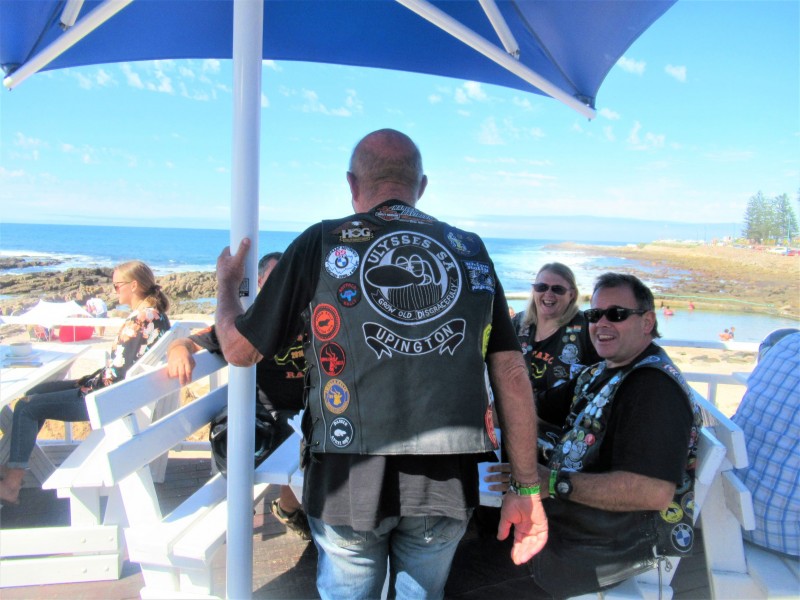
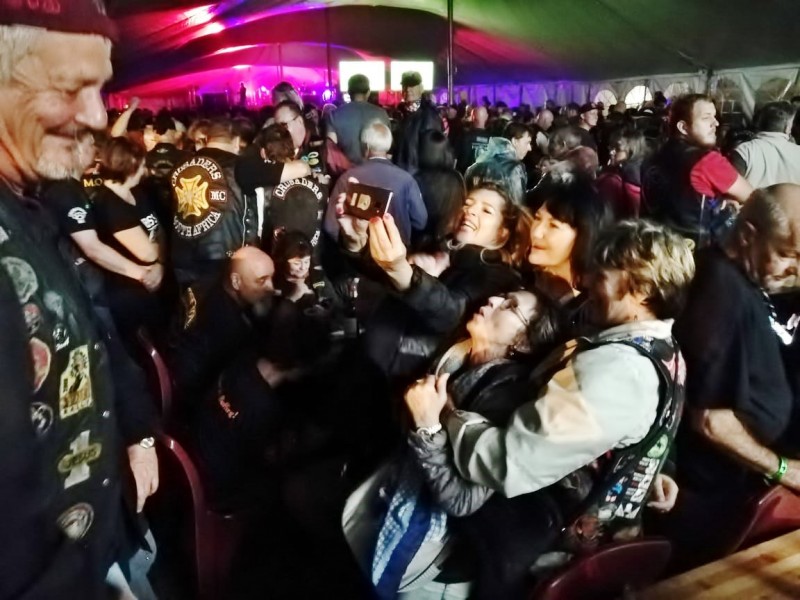
Die Buffalo-ryers is trots op hul onderskeie motorfietsklubs - soos dié Buffers van die Ulysses-klub in Upington hier wys.

buff2019 12

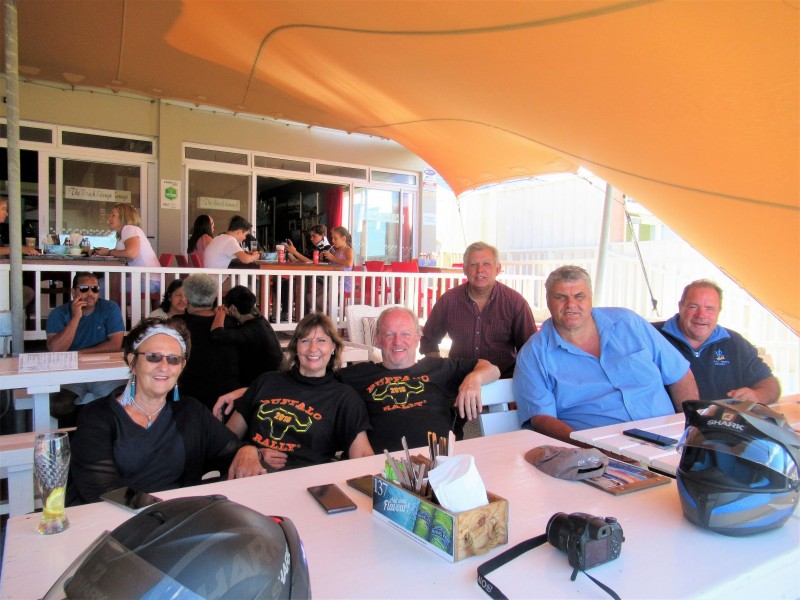
Die Buffers het heerlik gekuier en opnuut ou baaiker-bande hernu en nuwes gesmee . . . 

buff2019 29

'n Heerlike feesgees het deurentyd geheers en by die biertuin op die ATKV-terrein was dit heeltyd speeltyd . . . 

Só het ons op ons Facebad-blad berig: 

Die 14de Buffalo Rally in Mosselbaai wat vanjaar die eerste keer by die ATKV-oord in Hartenbos gehou is, was volgens alle aanduidings weer 'n DAWERENDE sukses met sowat 4 300 brulperdryers wat vanaf alle uithoeke in die land tot Namibië op Mosselbaai toegesak het vir dié jaarlikse hoogtepunt op die baaiker-kalender . . .

buff2019 6

Brulperde RAAS en hul ryers REV daai masjiene en inwoners van die rustige Hartenbos-kusdorpie het met gemengde gevoelens die vrolike, kleurryke klomp Buffers gade geslaan wat die naweek hul rustige bestaan kom binneval het . . .

Die Buffalo "padbuffels" het egter hul nuwe kampeerterrein in Hartenbos baie geniet en die meeste ryers met wie mosselbayontheline gesels het, het laat blyk hulle verkies eintlik die nuwe oord bo De Bakke omdat "alles so gerieflik bymekaar is" en boonop naby winkels en ander geriewe is . . . 
Mornay Beukes, Hartenbos ATKV se oordbestuurder, het gister 'n dankbare sug van verligting geslaag dat die eerste Rally by dié oord "bo verwagting goed en sonder enige ernstige voorvalle" afgeloop het.

"Ons was maar bekommerd . . . Dit is 'n groot uitdaging om so 'n klomp uitbundige motorfietsryers 'n naweek lank te huisves, maar benewens die geraas-faktor waaraan ons vorentoe beslis aandag sal moet skenk, het alles besonder goed afgeloop en ons is baie dankbaar", het hy gesê.

En wat sê die baaikers? "Dit was uitsonderlik lekker en al was ons bekommerd oor die reënweer wat voorspel is, het Mosselbaai weer sy reputasie gestand gedoen as die dorp met van die lekkerste klimaat en mense in die wêreld!"

Mooi so, Mosselbaai/Hartenbos/Buffers! 
Ons wens al die Buffers 'n veilige terugreis huis toe - en kom weer volgende jaar!

Kyk ook die videos onder die kommentare. Klik op die skakels vir nog foto's en videos. 

https://web.facebook.com/mosselbayontheline/posts/2379330828964837?

Hartenbossers het die naweek die "voorreg" gehad om eerste die "magtige dreuning" van sowat 4 300 kragtige ysterperde te beleef . . .

Die buffers het van van alle uithoeke in die land gekom en soos gewoonlik, het Mosselbaai sy dreigende reën- en wolkekombers weer oopgetrek om die besoekers met tipiese Mosselbaaise gasvryheid, sonskynweer en wêreldberoemde natuurskoon te verwelkom vir 'n baie geslaagde Buffalo Rally 2019 by die ATKV-oord in Hartenbos . . .

Mense soek deesdae nie lang stories nie, so ons plaas soos gebruiklik weer die nuus stuk-stuk in beeld vir dié wat dit misgeloop het . . . 
Só het dit gister gelyk by die wegspringpunt vir die massa-rit vanaf Hartenbos na die Punt . . . en Hartenbos sal glo NOOIT weer dieselfde wees nie 

https://web.facebook.com/mosselbayontheline/posts/2379311158966804?


  • Baie Hartenbossers weet glo nie WAT hulle die naweek getref het nie . . . maar die baaikers glo die klakouse gaan nog baie lief raak vir hulle namate hulle die Buffers leer ken . . . 
Andé Lombard het 'n paar lukrake videotjies van die Buffer-brigade geneem vir dié wat dit misgeloop het:

https://web.facebook.com/…/pcb.10212033…/10212033211620435/…

https://web.facebook.com/…/pcb.10212033…/10212033213260476/…

https://web.facebook.com/…/pcb.10212033…/10212033212260451/…

Related Articles:

Munisipaliteite melk gapings in die wet

Die parlement faal grond- en eiendomsbesitters – en daarmee saam ons land – deur eerstens wetgewing voor te skryf wat ‘herverdeling' en ‘regstelling' bo basiese dienslewering stel, en tweedens deur plaaslike owerhede vrye teuels met tariefbepalings te gee. JURIE DE WET meen dis sy en ander prokureurs se plig om die wet tot voordeel van vooruitgang in ons land te gebruik.

Photo of suburbs

Die burgemeester van ’n dorpie in Mpumalanga het my ’n ruk gelede genader om sy munisipaliteit te help om ’n groot mynmaatskappy se agterstallige tariewe in te vorder, en ek het ingestem om te help.

Uit die dokumentasie het dit geblyk dat die myn altesaam R9 miljoen geskuld het vir tariewe wat op sy eiendom gehef is – die munisipaliteit het dié eiendom vir R25 miljoen gewaardeer.

Munisipale tariewe is belasting wat op eiendom binne die munisipale gebied gehef word volgens ’n sent-in-die-rand-tarief wat deur die munisipale raad bepaal word. Verskillende tariewe geld verskillende tipes eiendom – handels- en kommersiële eiendomme word byvoorbeeld altyd teen hoër tariewe as residensiële eiendomme of skole en kerke belas.

Tot ’n paar jaar gelede is slegs eiendom wat binne die munisipale grense geval het, belas, maar ná 1994 is besluit om die grense geleidelik uit te brei totdat die hele land eindelik deur munisipaliteite gedek is.

Dié uitbreiding was in ooreenstemming met die visie van die opstellers van die Grondwet wat verwag het dat die plaaslike regering ’n kragtige instrument sou wees wat demokrasie, dienslewering en ontwikkeling betref.

Gevolglik kon munisipaliteite nou vir die eerste keer plase en ander eiendomme belas wat voorheen buite hulle grense geval het.

Die moontlikheid van strawwe munisipale tariewe vir dienslewering wat nie tot by hulle strek nie, het georganiseerde landbou genoodsaak om die regering se hulp in te roep. In 2009 het die kabinet gehoor gegee en is ’n regulasie goedgekeur wat munisipaliteite verbied om landbou-eiendomme met meer as ’n kwart van die vasgestelde tarief vir residensiële eiendomme te belas.

Dit het beteken dat plaaslike politici nie die tariewe op plaaseiendomme kon verhoog sonder om ook die tarief vir residensiële eiendomme te verhoog nie. Aangesien hulle self huiseienaars is, was die hoop dat hulle enige verhogings sou beperk.

‘Min inwoners was in staat of bereid om vir dienste te betaal, wat die munisipaliteit verder geknou het. Hulle was dus nog altyd van staatstoelae afhanklik.’

Die nuwe beperking het egter nie wild- of ekotoerismeplase gegeld nie. Trouens, dié eiendomme is uitdruklik by die definisie van landbou uitgesluit. Dit het ook nie myn-, handel-, kommersiële of industriële eiendomme ingesluit nie. Munisipaliteite kon dié eiendomme vryelik belas – en hulle het.

Die betrokke munisipaliteit in Mpumalanga het gemeen mynbase is ryk en moet meer tot die gemeenskap bydra. Daar is dus besluit om myneiendomme teen 20,9 sent in die rand te belas – hierteenoor is die Emalahleni-munisipaliteit (Witbank) se tarief byvoorbeeld 1,69 sent in die rand.

Dit het beteken dat die myn jaarliks 20,9% van die markwaarde van sy eiendom in tariewe sou moes betaal – meer as dubbel as wat ’n bank sou vra op ’n lening om dié eiendom te koop.

Dis daarom verstaanbaar waarom die myn geweier het om te betaal, en dit was ’n uitdaging vir my om te motiveer hoekom hulle móés betaal.

Gelukkig vir die myn het die munisipaliteit nie die regte prosedure gevolg om die tariefbepaling te adverteer en te publiseer nie, en die bepaling was dus ongeldig. Die saak is beslis met die ooreenkoms dat die myn sy agterstallige en huidige tariewe teen 2,9 sent in die rand sou betaal, volgens wat Rustenburg se munisipaliteit vra.

Nog ’n gelukskoot was dat die munisipale waardeerder nie die eiendom volgens die mynreg gewaardeer het nie, wat hy kragtens artikel 46(2)(a) van die Wet op Munisipale Eiendomsbelasting (2004) geregtig was om te doen. As hy dit reg gewaardeer het, sou die belasbare waarde nader aan R500 miljoen gewees het. Ek het dit egter na goeddunke met niemand gedeel nie.

Ander munisipaliteite in die nood het ook die geleentheid benut om hulle belastingbasis uit te brei en hulle inkomste te vermeerder.

Die Bosbokrand-munisipaliteit (BBR) is een só ʼn voorbeeld.

Die tariefbasis in trustgebiede is klein omdat min mense in besit van titelaktes is.
TITEL ... Die tariefbasis in trustgebiede is klein omdat min mense in besit van titelaktes is. 
123RF/SAMPOB TAPAOPOND

Omdat dit in die destydse selfregerende Gazankulu-gebied geleë is en hoofsaaklik deur sogenaamde trustgebiede omring word waar titelaktes die uitsondering is, was dié munisipaliteit se tariefbasis nog altyd klein.

Min inwoners was in staat of bereid om vir dienste te betaal, wat die munisipaliteit verder geknou het. Hulle was dus nog altyd van staatstoelae afhanklik.

BBR het ’n begrote inkomste van sowat R1.6 miljard: R74 miljoen kom van dienste gelewer en R186 miljoen van eiendomstariewe van sowat 23,000 belasbare eiendomme. Die balans van ongeveer R1,36 miljard word deur staatstoelae en -toekennings gedek.

Van die tariefinkomste is 35% van tariewe wat op handels- en residensiële eiendomme gehef word en 2,5% van tariewe op landbou-eiendomme. Die grootste bydraers is egter die eienaars van private wildreservate teen die westelike grens van die Krugerwildtuin.

Sowat 96 eienaars van private wildlodges betaal 57% van BBR se totale tariefinkomste en die eienaars van private huise in dié reservate betaal ’n verdere 3.5%.

BBR belas kommersiële wildlodges teen 3.9 sent in die rand. Die eienaars van ’n paar van die toplodges wat hulle op internasionale gaste toespits moet dus R330,00 per maand vir munisipale tariewe opdok. Die kostes van minder luukse lodges wat meer op die plaaslike mark fokus, kan ongeveer R65,000 per maand beloop. Vir baie is dit eenvoudig onbekostigbaar.

Die tarief is boonop dieselfde as dié waarmee handels-, kommersiële en industriële eiendomme in BBR se sakekern belas word – dis eiendomme wat water, elektrisiteit, sanitasie, vullisverwydering, paaie en ander maatskaplike dienste van die raad ontvang, terwyl die wildlodges niks daarvan geniet nie. Hulle bou en onderhou selfs hulle eie paaie.

                        ‘Hofsake teen onredelike tariefbepalings was tot dusver meestal onsuksesvol.’
 
Dan is daar nog die moontlikheid van ekstra tariewe wat gehef kan word. Hoewel geproklameerde wildreservate “beskermde gebiede” is en daarom van munisipale tariewe vrygestel word, is daar baie eiendomme in die groter Krugerwildtuingebied wat nie verklaarde reservate is nie. Dié eiendomme kan ook belas word.

Die vrystelling van tariewe vir beskermde gebiede geld net eiendom wat nie vir kommersiële doeleindes gebruik word nie. Die dele wat deur besoekers deurkruis word, kan stellig ook belas word. Met grondwaardes van meer as R40,000 per hektaar kan die potensiële tariewe tot honderde miljoene beloop. Baie grondeienaars sal eenvoudig nie meer kan bekostig om hulle grond te besit nie.

Grond wat aan grondeisbegunstigdes teruggegee is, word vir die eerste 10 jaar ná die oordrag van munisipale tariewe vrygestel. Sonder hierdie vrystelling sou die grondeisers wat nou die Mala Mala-wildreservaat besit egter in groot moeilikheid gewees het, want hulle munisipale rekening is baie meer as die huur wat hulle van hulle kommersiële huurder kry.

My kliënte wil hierdie buitensporige tariewe betwis, maar dis ongelukkig makliker gesê as gedaan.

Wanneer ’n munisipaliteit sy begroting en tariefbeleid goedkeur, is hy besig om wetgewing neer te lê. Howe stel nie graag wetgewing tersyde behalwe wanneer daardie wet die Handves van Menseregte oortree nie. En dis nie hiér die geval nie. Dis dalk onregverdig, maar daar is geen voorwaarde in die handves wat die wetgewende liggaam se gesag beperk om swaar tariewe te hef nie – BTW staan immers op 15%.

Hofsake teen onredelike tariefbepalings was tot dusver meestal onsuksesvol. ’n Senior advokaat het my vertel dat die konstitusionele hof ’n groot aanhanger van die plaaslike regerings is; die regters pak hulle met sagte handskoentjies aan.

Die handjievol suksesvolle sake is op grond van prosedurekwessies gewen, nie weens die redelikheid of die tariefbepalings self nie. Wat is so onregverdig daaraan om die rykes ter wille van gelykheid en regstelling te belas, vra hulle.

Dit beteken die munisipaliteit (en parlement) het feitlik vrye mag om eiendomsbelasting te hef en kan dié tariewe oplê soos hulle goeddink. Die gevolge is skrikwekkend en so duidelik soos daglig.

  • Hoë tariewe ontmoedig grondbesitting. Hoekom sal jy grond wil besit as die tariewe jou tot armoede kan dryf? Dis beter om op informele eiendomsreg staat te maak wat nie gewoonlik belas word nie. En selfs al word dit belas, kan ’n krediteur nie teen informele grondregte eksekuteer soos wat hulle met private eiendom kan doen nie. Dis hoekom so baie bendelede en ander misdadigers sulke tamaai huise in stamdistrikte bou waar die lang arm van die gereg hulle nie kan bykom nie.

  • Hoë tariewe ontmoedig ook mense om in hulle eiendom te belê. Hoekom sal ’n grondbesitter R100 miljoen bestee om sy internasionale wildlogde op te knap as dit hom jaarliks nog R3.9 miljoen in tariewe gaan kos? Dis beter om nie verbeteringe aan te bring nie en die bestaande bate se waarde te laat afneem.
'n Plaasstal naby Vredendal aan die Weskus
GRONDBESIT ... 'n Plaasstal naby Vredendal aan die Weskus 
123RF/GROBLER DU PREEZ

’n Boer wat ’n gastehuis of padstal op sy plaas wil bou, of ’n fabriek om sy melk of grane te verwerk, kan boonop deur nog swaar tariewe volgens die kommersiële of industriële skaal belas word.

  • Hoë munisipale tariewe het veroorsaak dat baie huiseienaars in plattelandse dorpe hulle eiendom moes prysgee omdat die agteruitgang van die plattelandse ekonomie hulle so verarm het dat hulle nie die munisipale tariewe en dienste kon bekostig nie. Dit lei tot ’n ineenstorting van eiendomspryse en dra tot die ekonomiese en maatskaplike agteruitgang by.
  • Hoë munisipale tariewe skep ’n kultuur van niebetaling omdat mense eenvoudig nie die regulasies na kom nie. Munisipaliteite se inkomste droog op ondanks die feit dat hulle die tariewe verhoog. Dis soortgelyk aan die situasie met Eskom se tariefverhogings wat veroorsaak dat dié kragvoorsiener se inkomste afneem, en aan die manier waarop hoë sondebelasting tot grootskaalse sigaretsmokkelary, belastingontduiking en toenemende verliese aan die staatskas gelei het.
  • In ’n rasverdeelde en ongelyke samelewing soos ons s’n word hoë munisipale tariewe en belasting oneweredig op die “ryk” minderheid gerig wat eiendomme met titelaktes en hulle eie ondernemings besit.

Hoewel dié fokus op grond van ideologiese redes – vir herverdeling of regstelling – geregverdig kan word, het dit hoegenaamd nie dié uitwerking nie.

In werklikheid veroorsaak dit dat die minderheid die pad vat, en dit laat ’n gebrek aan vaardigheid en ekonomie waarvoor geen mate van herverdeling of regstelling kan vergoed nie.

Die verantwoordelikheid van hierdie kortsigtige benadering tot tariewe lê in die eerste plek by die parlement.

Die parlement het doelbewus ’n wet voorgeskryf wat ’n gaping skep tussen die tariewe wat gehef kan word, en die werklike dienste wat gelewer word. Dit gaan nie oor betaling vir dienslewering nie, maar oor “herverdeling” of “regstelling”, en soos reeds genoem, is die gevolge skokkend.

Die ideologiese uitkyk is ook duidelik in die uitdruklike uitsluiting van wildplase en eiendomme wat vir ekotoerisme gebruik word onder die definisie van “landbou”. Die regerende party is al lank gekant teen wildplase en grond wat vir jag of bewaringsdoeleindes gebruik word omdat dit – in ’n konteks van grootskaalse grondloosheid – as wit, onproduktiewe, verkwistende en genotsugtige gebruike vir grond beskou word.

Die parlement is ook onder ’n wanindruk van die vermoë en bekwaamheid waaroor hulle dink die plaaslike regering beskik. In die meeste klein dorpe en baie stede laat die gehalte van die bestuur veel te wense oor.

Baie indien nie die meeste plaaslike owerhede nie is nie in staat om die dienste te lewer en die leiers van maatskaplike en ekonomiese ontwikkeling te wees wat hulle veronderstel is om te wees nie. Inteendeel, hulle is korrup, omkoopbaar en onbevoeg. Gevolglik hou hulle aan om groot en blywende skade aan plaaslike ekonomieë en aan ons samelewing as ’n geheel aan te rig.

Ons rol as vooruitstrewende prokureurs is om die skade te beperk, om die establishment-narratief omver te werp, en om die moontlikhede te ondersoek waarop die wet gebruik kan word om dinge te ontwrig en verandering teweeg te bring.

Jurie de Wet

Related Articles: